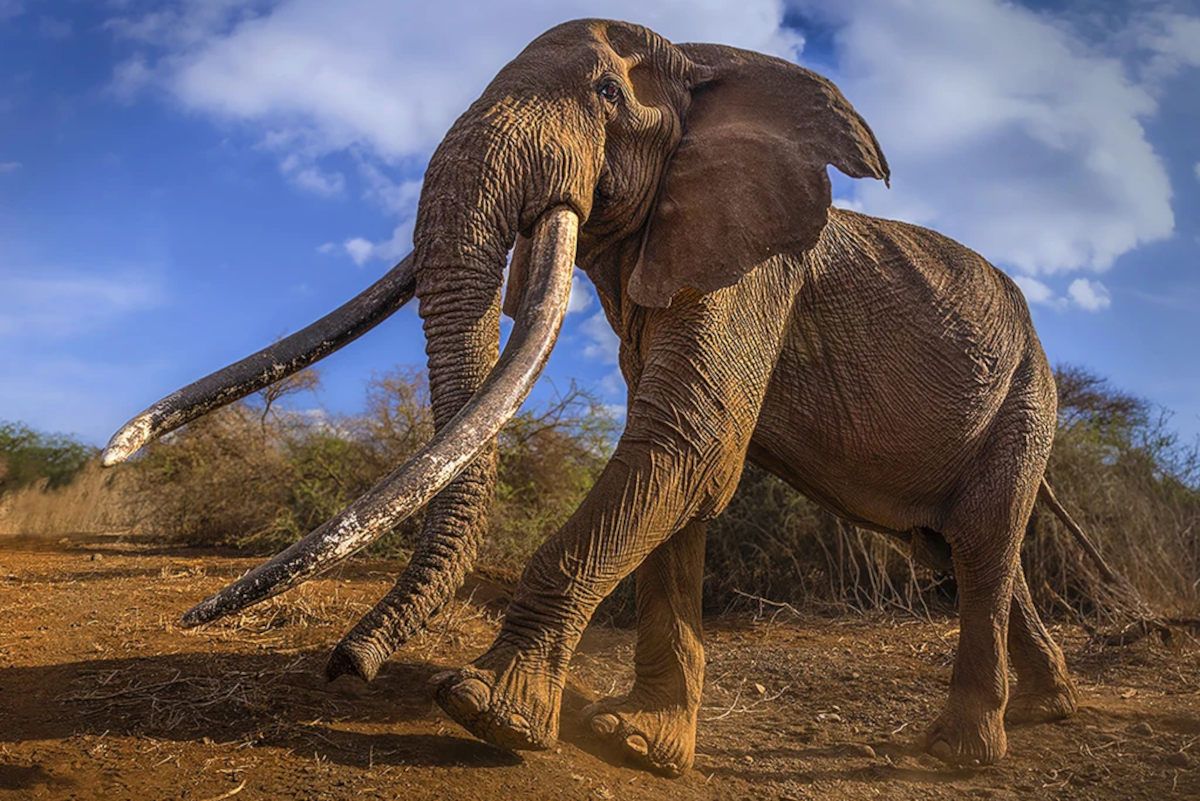
The Last King of the Dust: Remembering Craig of Amboseli
On January 3, 2026, we said goodbye to a legend. Craig, one of Earth’s last "Super Tuskers," passed away of natural causes at age 54. With tusks that swept the earth and a spirit as calm as the shadow of Kilimanjaro, he was a living bridge to an ancient world. His long life is a triumph for conservation—proof that with protection and respect, a giant can live out his days as nature intended: free and magnificent. Rest in peace, King Craig. The savannah will never forget your footprint. 🇰🇪🏔️
_2.jpg)
The golden dust of the Amboseli savannah has always carried the weight of legends, but today, that weight feels a little heavier. On the morning of January 3, 2026, the silence across the plains was more than just the absence of wind; it was the quiet realization that Kenya—and the world—had said a final goodbye to Craig. At 54 years old, Craig was not merely an inhabitant of the landscape; he was the landscape itself. To those who traveled across oceans to see him, he was the living embodiment of an ancient Africa, a gentle giant whose presence felt like a bridge to a forgotten era.
Craig’s story began in 1972, born to the matriarch Cassandra of the famous "CB" family. He entered a world that was inherently dangerous for a creature of his potential. He grew up during the darkest heights of the ivory trade, a time when bulls with his genetic blueprint were the primary targets of poachers. To have tusks that would eventually grow to sweep the earth was to carry a death warrant on one’s face. Yet, against the backdrop of the ivory crisis, decades of punishing droughts, and the ever-shifting tensions of human-wildlife conflict, Craig survived. His life was a testament to the tireless, decades-long protection provided by the Kenya Wildlife Service (KWS), the Amboseli Trust for Elephants, and the local Maasai communities who shared their land with him.
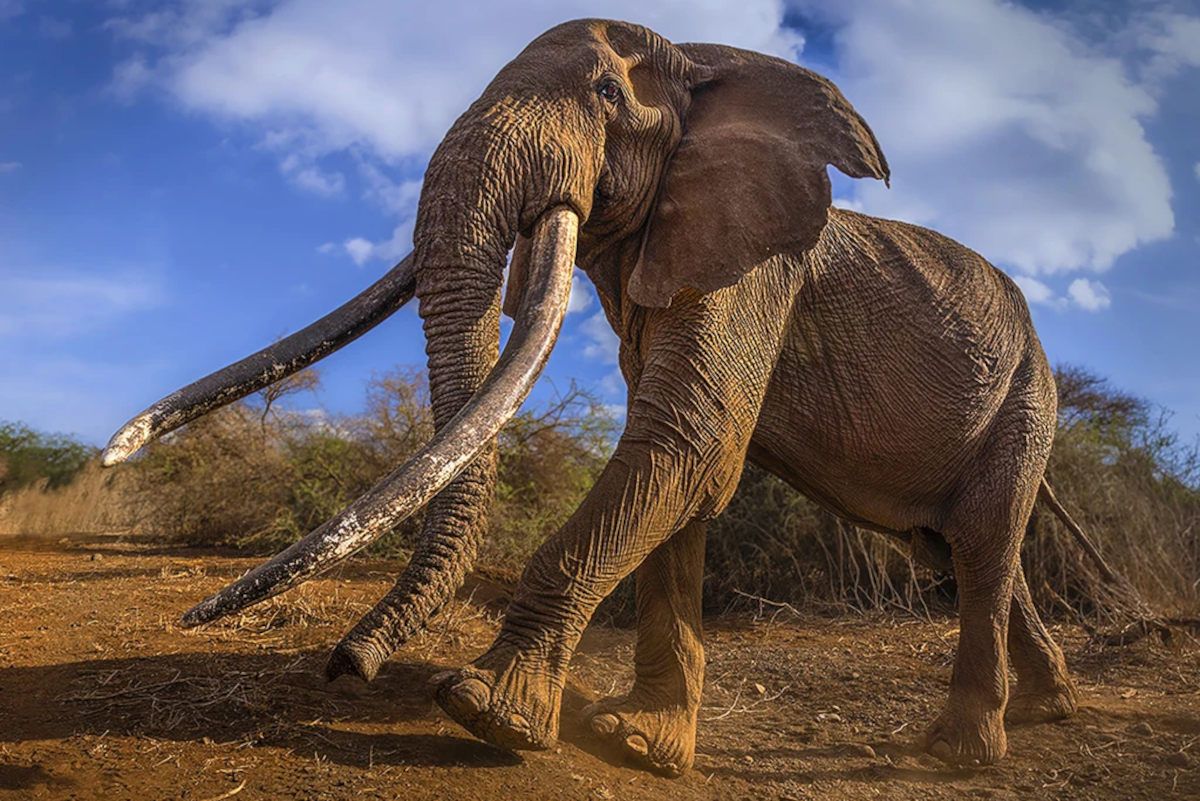
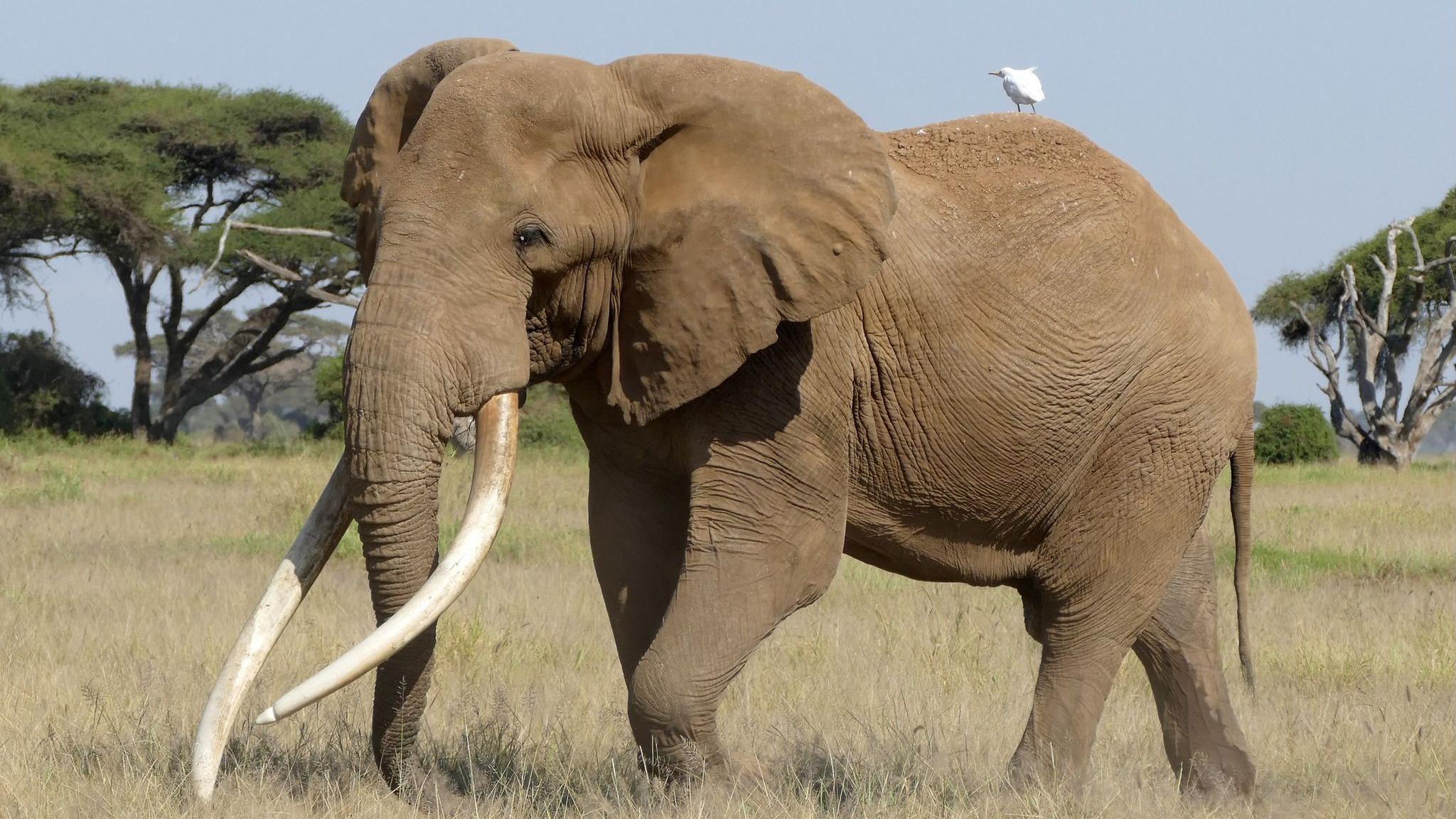
What truly set Craig apart was his status as a "Super Tusker." In the world of conservation, this is a title of near-mythical rarity, reserved for bulls whose tusks weigh more than 45 kilograms (100 lbs) on each side. With fewer than 25 such elephants left on the entire continent, Craig was a living monument. His ivory was so magnificent that it literally grazed the grass as he walked, carving tiny furrows in the volcanic soil of Amboseli.
Yet, for all his power and size, Craig was most famous for his "gentlemanly" temperament. While other bulls of his size could be temperamental or territorial, Craig moved with a serene, almost meditative patience. He was a photographer’s dream, often seen standing perfectly still before the snow-capped peak of Mount Kilimanjaro, as if he possessed a quiet awareness that he was the most beautiful thing in the frame.
His final hours were as dignified as the half-century that preceded them. Craig passed away of natural causes on Olgulului community land, his body finally yielding to the passage of time. In a final act of respect, rangers from the Big Life Foundation stayed with him through his last night, ensuring that the King of Amboseli was not alone as his breath slowed to match the stillness of the plains.
While his death marks the end of a biological era, Craig’s legacy is written in the DNA of the herds that remain. Over five decades, he fathered many calves, passing on the "super tusker" genes to a new generation. For conservationists, Craig was the ultimate proof of concept: he was living evidence that Kenya’s conservation model works. The fact that an elephant with ivory so valuable could die of old age in the wild is a victory for every ranger, researcher, and community member who stood guard over him.
As the wind carries the scent of acacia across the plains today, Craig’s massive silhouette no longer breaks the horizon. But his story remains etched in the dust. He leaves behind a legacy of hope—a reminder that if we commit to protecting these giants, they can live out their lives as nature intended: free, respected, and magnificent. The savannah will never forget his footprint, and neither will we.
_1.jpg)
_1.jpg)
_2.jpg)
.jpg)