The Return of the Giants: A Historic Homecoming in the Heart of Ajai
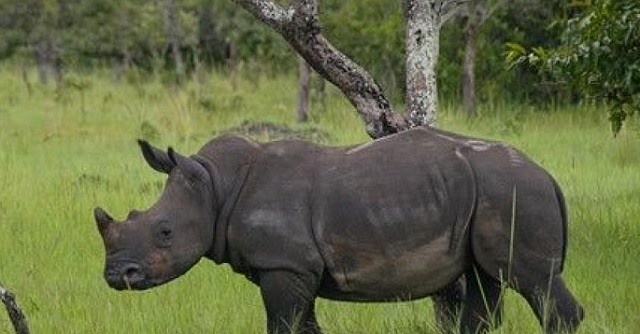
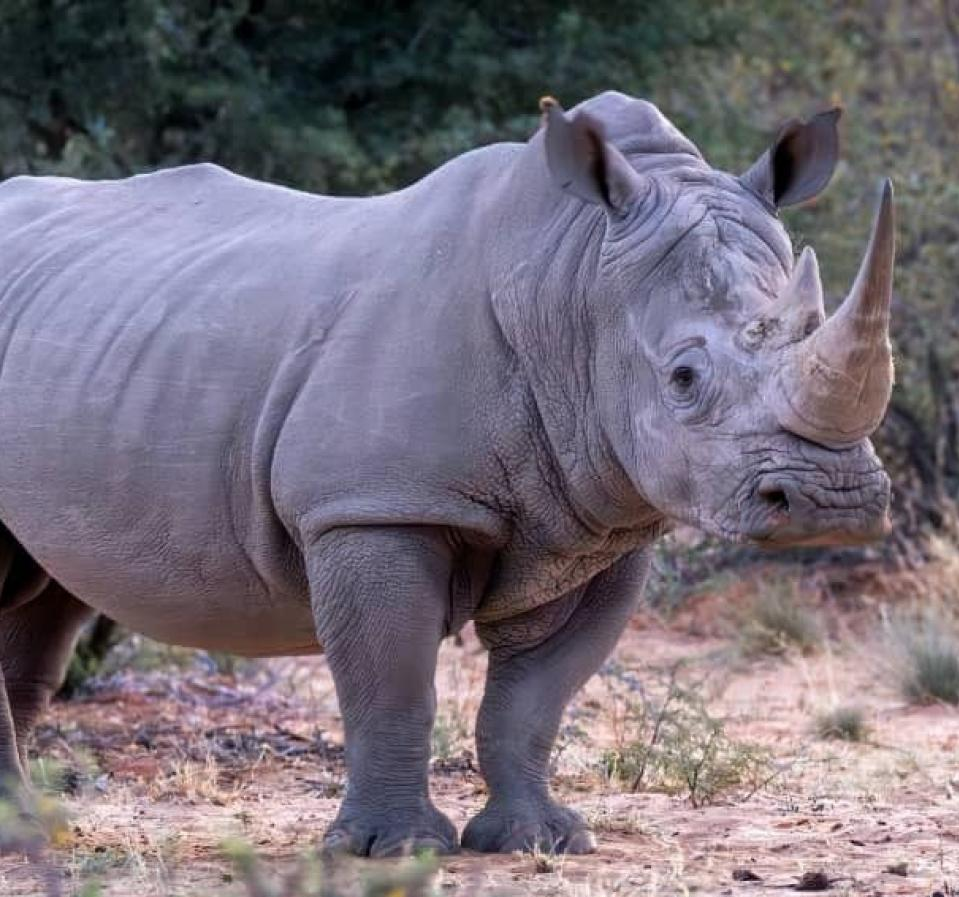
The air in the West Nile region of Uganda carried a weight of profound significance yesterday. On January 7, 2026, the silence that had lingered over the plains of the Ajai Wildlife Reserve for more than forty years was finally broken by a rhythmic, heavy thrumming—the unmistakable sound of a promise kept. In a historic feat of conservation, the Uganda Wildlife Authority successfully completed the first-ever internal translocation of white rhinos, bringing these prehistoric giants back to the ancestral lands where they were once the undisputed kings.
The air in the West Nile region of Uganda carried a weight of profound significance yesterday. On January 7, 2026, the silence that had lingered over the plains of the Ajai Wildlife Reserve for more than forty years was finally broken by a rhythmic, heavy thrumming—the unmistakable sound of a promise kept. In a historic feat of conservation, the Uganda Wildlife Authority successfully completed the first-ever internal translocation of white rhinos, bringing these prehistoric giants back to the ancestral lands where they were once the undisputed kings.
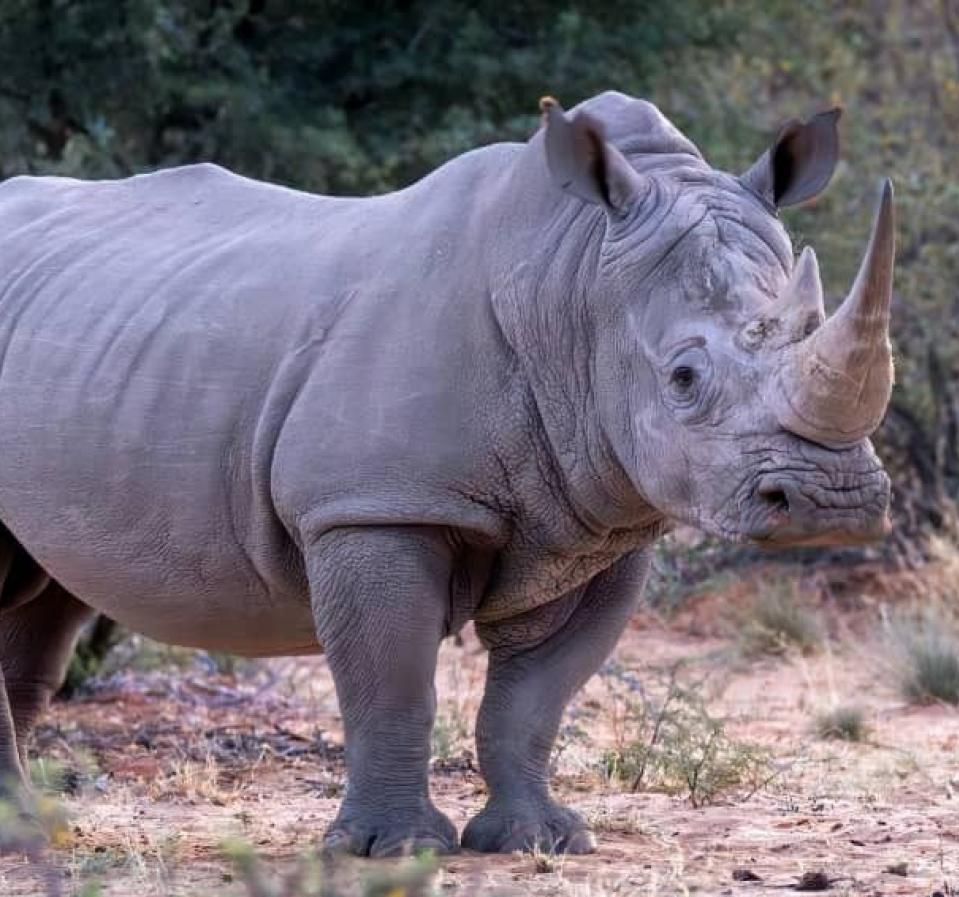
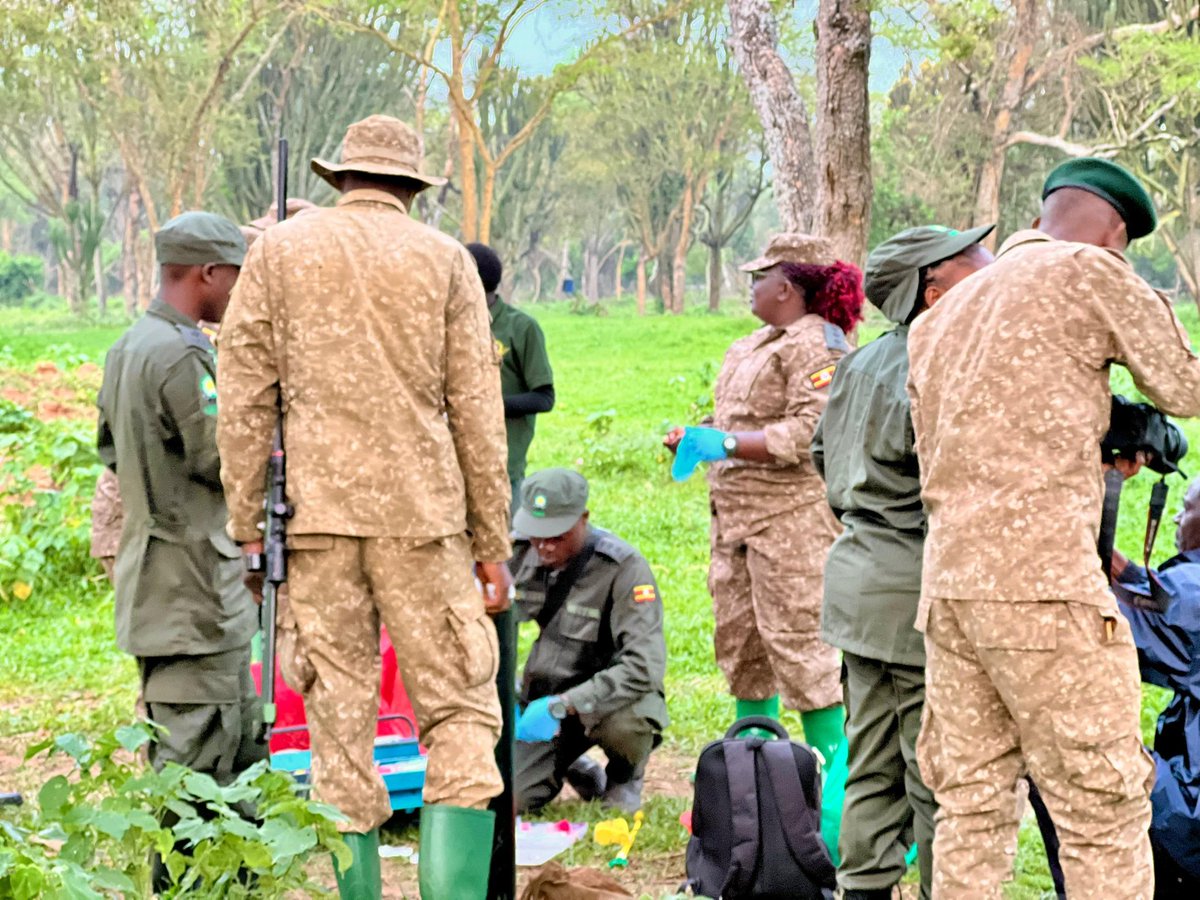
The journey began in the early morning mist of the Ziwa Rhino Sanctuary in Nakasongola. There, a specialized team of veterinarians and rangers carefully selected the pioneers for this homecoming. Among them were two massive males, Jabari and Elias, who together weighed over 3,200 kilograms. The world watched as these "gray boulders" were gently baby-walked into massive transport containers, marking the start of a 200-kilometer odyssey across the Nile and into the heart of the Madi Okollo district.
As the convoy crossed the Pakwach bridge, the atmosphere transformed. Local communities, some of whom had only seen rhinos in schoolbooks or oral legends told by their elders, lined the routes with a sense of reverence and celebration. For the people of the West Nile, the return of the rhino is more than just a wildlife event; it is a restoration of their cultural heritage and a beacon of hope for a future driven by sustainable eco-tourism. This homecoming was prepared for with meticulous care—over 200 Uganda kobs and buffaloes had been introduced months prior to graze the grass into the perfect short-savannah "kitchen" for the rhinos, while new solar-powered ranger outposts and high-tech GPS monitoring systems now stand guard over the landscape.
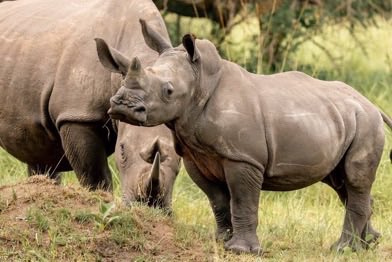
When the crates were finally opened within the 148-square-kilometer sanctuary, and the rhinos stepped back onto the soil of Ajai, a wave of thunderous applause broke out from the gathered rangers and community leaders. It was a moment of pure, raw triumph. The return of these four rhinos—the first batch of a planned population of twenty—signifies that Uganda’s "Big Five" are no longer just inhabitants of a sanctuary, but are truly back in the wild.
For nature lovers, Ajai has been reborn as an emerald sanctuary where the legacy of Chief Ajai, who championed rhino protection a century ago, is once again a living reality. As the sun set yesterday over the Albert Nile, casting long shadows across the acacia-dotted plains, the silhouette of a rhino grazing on the horizon wasn't just a sight for the eyes—it was a heartbeat restored to the wild. The giants are home, and the world is a little more whole because of it.
.jpg)
.jpg)
.jpg)