The Silicon Border: How January 2026 Redefined Global Access
The date is January 1st, 2026, and the world just woke up to a new geopolitical reality. If you tried to cross a border, ship a microchip, or hire an international specialist this week, you likely felt the immediate friction of the most sweeping U.S. restrictions in recent memory. This isn't just a list of policies; it’s a fundamental shift in how the United States interacts with the rest of the planet.
.webp)
The date is January 1st , 2026, and the world just woke up to a new geopolitical reality. If you tried to cross a border, ship a microchip, or hire an international specialist this week, you likely felt the immediate friction of the most sweeping U.S. restrictions in recent memory. This isn't just a list of policies; it’s a fundamental shift in how the United States interacts with the rest of the planet.
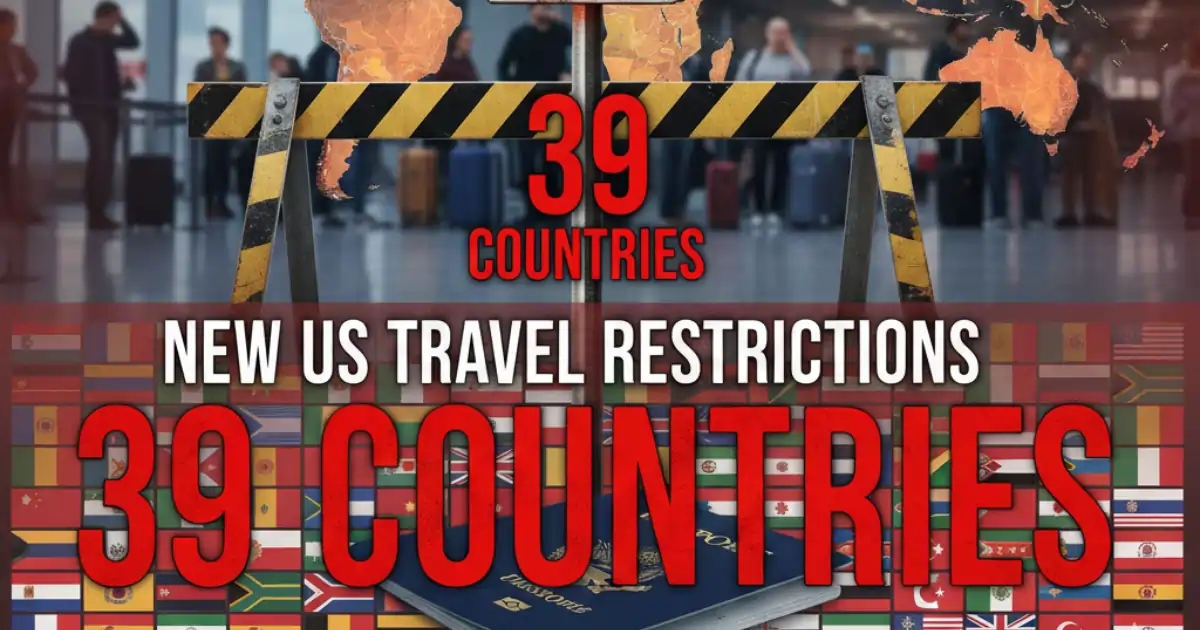
For travelers, the most visible change hit at 12:01 a.m. on New Year’s Day. The U.S. travel ban list officially expanded to 39 countries, including new additions like Burkina Faso, Mali, Niger, and South Sudan. Nationals from these countries are now navigating a reality where immigrant and non-immigrant visas are either fully suspended or subjected to grueling new vetting processes. The "principle of reciprocity" has already sparked a backlash, with several African nations responding by banning U.S. citizens from entry, creating a diplomatic standoff that has left thousands of travelers stranded and business trips canceled indefinitely.
Deep within the global supply chain, the "Silicon Border" has become even more impenetrable. In a move that signaled the end of the previous "permissive" era, the U.S. Department of Commerce allowed the long-standing waiver system for semiconductor giants like Samsung and SK Hynix to expire. These companies, which operate massive facilities in China, must now navigate a restrictive "Annual Export License" framework. This effectively caps the technology level of their Chinese plants at legacy standards, ensuring they cannot upgrade to the next generation of 2nm or sub-14nm logic. Meanwhile, the U.S. is experimentng with a "pay-to-play" model for AI, recently allowing conditional exports of advanced Nvidia H200 chips to certain buyers—but only if they pay a staggering 25% "national security fee" directly to the U.S. Treasury.
The workplace hasn't been spared either. The H-1B visa program, long the backbone of Silicon Valley’s talent pool, underwent a radical transformation this week. The old random lottery is dead, replaced by a "weighted" system that favors the highest-paid applicants. For small and medium-sized businesses, the barrier to entry has become a financial mountain; a new proclamation now requires an additional $100,000 "supplemental fee" for certain new H-1B petitions. This policy is designed to put "America First" by pricing out lower-wage foreign labor, but it has left many tech startups wondering how they will afford the specialized talent they need to compete on a global stage.
As we move further into 2026, these restrictions represent more than just bureaucratic hurdles—they are the blueprints for a "gated" global economy. The era of frictionless trade and travel is receding, replaced by a world where your passport, your paycheck, and the origin of your hardware determine your level of access.
.jpg)
.jpg)
.jpg)
_1.webp)
.jpg)
_1.jpg)